
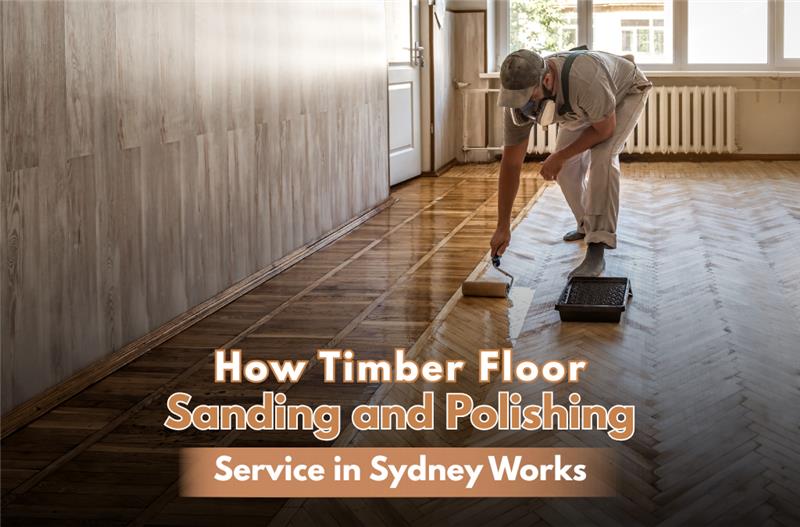
If you’ve ever walked into a home or commercial space with stunning, gleaming timber floors and wondered how they got that way, the answer almost always comes down to a professional timber floor sanding and polishing service in Sydney. Whether you’re restoring a tired, scratched floor in a Federation home in the Inner West or refreshing the hardwood floors of a modern apartment in the Eastern Suburbs, understanding how the process works can help you make confident, informed decisions about your flooring project. This guide walks you through every key stage of a professional timber floor sanding and polishing service in Sydney — from the initial inspection right through to the final coat of polish.
Timber Floor Preparation Sydney — The Foundation of a Great Result
The success of any timber floor sanding and polishing service in Sydney begins long before the sanding machines are switched on. Proper timber floor preparation in Sydney is absolutely essential, and experienced floor specialists know that cutting corners at this stage will inevitably lead to a substandard finish no matter how good the equipment or products used later in the process.
The preparation stage typically begins with a thorough inspection of the entire floor. A qualified timber floor specialist will assess the condition of the boards, checking for signs of structural damage, loose or squeaky boards, protruding nails, deep gouges, staining, and any areas where the timber may have swollen or cupped due to moisture exposure. Any loose boards are re-secured, and protruding nails are punched below the surface to prevent damage to the sanding equipment and ensure a smooth, even result.
Gap filling is another important part of timber floor preparation in Sydney, particularly in older homes where the natural movement of the timber over many decades has left noticeable gaps between boards. A flexible, colour-matched gap filler is applied to these areas, allowed to cure fully, and then sanded flush with the surrounding floor surface. This step not only improves the appearance of the finished floor but also helps to prevent draughts, reduce dust accumulation, and improve the overall performance of the floor coating applied later.
Once all repairs and gap filling are complete, the floor is thoroughly cleaned to remove any dust, debris, adhesive residue, or contaminants that could interfere with the sanding process. This meticulous preparation work sets the stage for every subsequent step and is the hallmark of a truly professional timber floor sanding and polishing service in Sydney.
Floor Sanding and Finishing – The Sanding Process Explained
With preparation complete, the next major stage of the timber floor sanding and polishing service in Sydney is the sanding itself. Floor sanding and finishing in Sydney is a skilled, multi-pass process that progressively removes the old finish, revealing the fresh, raw wood beneath and creating a perfectly smooth surface ready for coating.
The Machines Behind the Magic
Professional floor sanders use a combination of different machines to achieve a thorough and even result across the entire floor. A large drum or belt sander is used for the main body of the floor, moving in long, straight passes along the grain of the timber. This powerful machine removes material quickly and efficiently, but it requires a skilled and experienced operator to prevent uneven sanding, dips, or chatter marks in the surface. An edging sander is then used to sand the perimeter of the room and any areas that the drum sander cannot reach, such as the edges along skirting boards and into corners. For particularly tight or intricate areas — such as around architraves, hearths, or stair nosings — hand sanding with a sanding block may also be required.
Understanding Floor Sanding Sandpaper Grits
One of the most important aspects of professional floor sanding and finishing in Sydney is the use of correct floor sanding sandpaper grits. The grit of a sandpaper refers to its coarseness, and professional floor sanders work through a carefully planned sequence of grits — starting with a coarser grit to remove the old finish and level the surface, and progressively moving through finer grits to refine the surface and remove any scratches left by the previous grit. Floor sanding sandpaper grits typically used in professional work range from around 24 or 36 grit for the initial heavy cut, through to 60, 80, and finally 100 or 120 grit for the final finishing passes. Skipping grits or rushing through this carefully planned sequence is one of the most common mistakes made by inexperienced operators .
Dust Minimisation — A Cleaner, Healthier Sanding Experience
Between sanding passes, the floor is thoroughly vacuumed and tacked off to remove all dust before the next grit is applied. Many modern professional floor sanding services in Sydney now use dustless or dust-minimisation sanding systems, which connect the sanding machines to high-powered vacuum units that capture the vast majority of dust at the source. This makes for a much cleaner, healthier, and less disruptive experience for homeowners and building occupants. Rather than coating every surface in the room with a fine layer of sawdust — as traditional sanding methods often did — dustless systems keep the work area remarkably clean throughout the entire process, allowing homeowners to return to their normal routines far sooner and with considerably less post-job cleaning required.
Timber Floor Sealer Sydney — Protecting Your Investment
Once the sanding process is complete and the floor has been thoroughly cleaned and inspected, the next critical step in the timber floor sanding and polishing service in Sydney is the application of a timber floor sealer. Applying the right timber floor sealer in Sydney is one of the most important decisions in the entire process, as it directly determines the durability, appearance, and long-term performance of the finished floor.
A timber floor sealer penetrates into the surface of the raw timber and creates a protective barrier that prevents moisture, dirt, and contaminants from penetrating the wood fibres. It also provides the base layer upon which the subsequent coats of polish or topcoat are built. Applying a quality sealer ensures better adhesion of the finish coats, enhances the natural colour and grain of the timber, and significantly extends the life of the overall floor coating system.
There are several types of timber floor sealer available in Sydney, and the right choice depends on the species of timber, the intended use of the space, and the type of topcoat finish being applied. Water-based sealers are popular for their low odour, fast drying times, and excellent clarity — they allow the natural colour of the timber to shine through without adding a yellow or amber tint. Oil-based sealers, on the other hand, tend to penetrate more deeply into the timber and can enhance the warmth and richness of the natural wood tones, making them a popular choice for classic hardwood species such as spotted gum, blackbutt, and Tasmanian oak.
After the sealer has been applied and allowed to cure fully, a light sand with a fine grit screen or abrasive pad is carried out to remove any raised grain or dust nibs before the finish coats are applied.
Floor Polishing — Choosing the Right Finish for Your Sydney Home
The final stage of the timber floor sanding and polishing service in Sydney is the application of the chosen floor polish or topcoat finish. This is the step that gives the floor its ultimate appearance — whether that’s a rich, high-gloss shine, a contemporary low-sheen matte look, or something in between — and it’s where the true character of the floor really comes to life.
The most commonly used floor finish in residential timber floor sanding and polishing services across Sydney is polyurethane, available in both water-based and oil-based formulations. Water-based polyurethane is fast drying, low in volatile organic compounds (VOCs), and dries to a clear, bright finish that shows off the natural beauty of the timber without adding colour. It is an excellent choice for lighter timber species and contemporary interiors. Oil-based polyurethane takes longer to dry and has a stronger odour during application, but it produces a slightly warmer, amber-toned finish that many homeowners find particularly appealing on classic Australian hardwood floors.
Hardwax oil is another increasingly popular finish option for residential timber floors in Sydney. Unlike polyurethane, which forms a hard film on the surface of the timber, hardwax oil penetrates into the wood fibres and hardens within the timber itself. This creates a more natural look and feel underfoot, and makes the floor easier to spot-repair if localised damage occurs in the future. Most professional floor polishing services in Sydney apply a minimum of two to three coats of the chosen finish, with a light abrasion between each coat to ensure excellent adhesion and a flawless, long-lasting result.
Final Thought
Understanding how a professional timber floor sanding and polishing service in Sydney works makes it much easier to appreciate the skill, expertise, and attention to detail that goes into delivering a truly exceptional result. From meticulous timber floor preparation in Sydney through to the careful selection of the right timber floor sealer and finish, every stage of the process plays a vital role in the quality and longevity of the final outcome.
At Prestige Timber Floors, we are dedicated to delivering outstanding timber floor sanding and polishing services across Sydney with a commitment to craftsmanship, quality, and customer satisfaction that sets us apart. Our experienced team uses premium products, industry-leading equipment, and time-tested techniques to transform your floors into something truly spectacular.
Ready to restore the beauty of your timber floors? Contact the Prestige Timber Floors team today for a free, no-obligation quote and let us bring your floors back to life.